Our Commitment

Sustainability is the standard, not the exception.

We exist to make sustainable materials accessible, scalable, and commercially viable. Through recycling, redesign, and reuse, we fully realize the potential of bio-based inputs, transforming them into products with both aesthetics and performance.

Targets

Measurable Goals

100%

of suppliers third-party verified by 2026

50%

reduction in average project carbon footprint by 2028

Zero

non-recyclable materials in our packaging portfolio by 2027

Material Portfolio

Four inputs, infinite circular outputs.

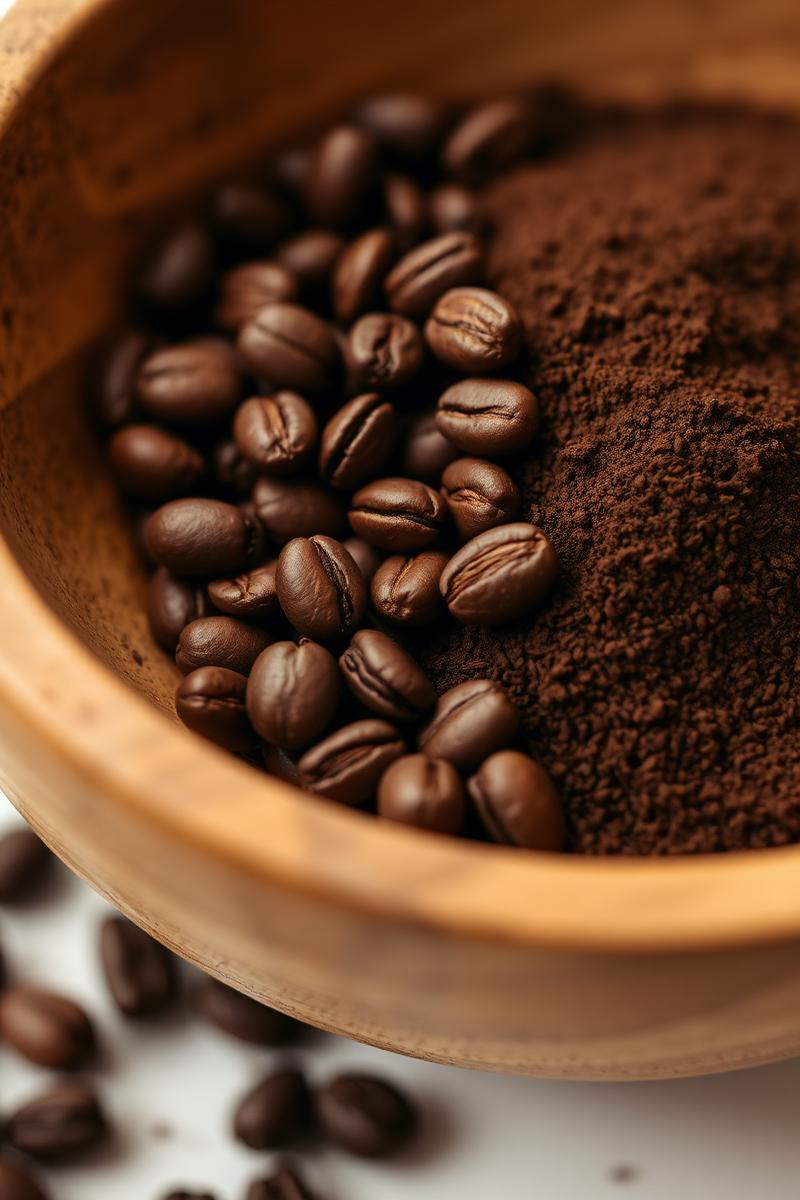
Coffee Grain

咖啡渣
Origin
Upcycled from coffee roasting and beverage industry byproduct.
Properties
Cellulose-rich fibres with natural odour absorption and antioxidant content.
Applications
Composite bio-leathers, bio-plastic fillers, and moulded packaging.

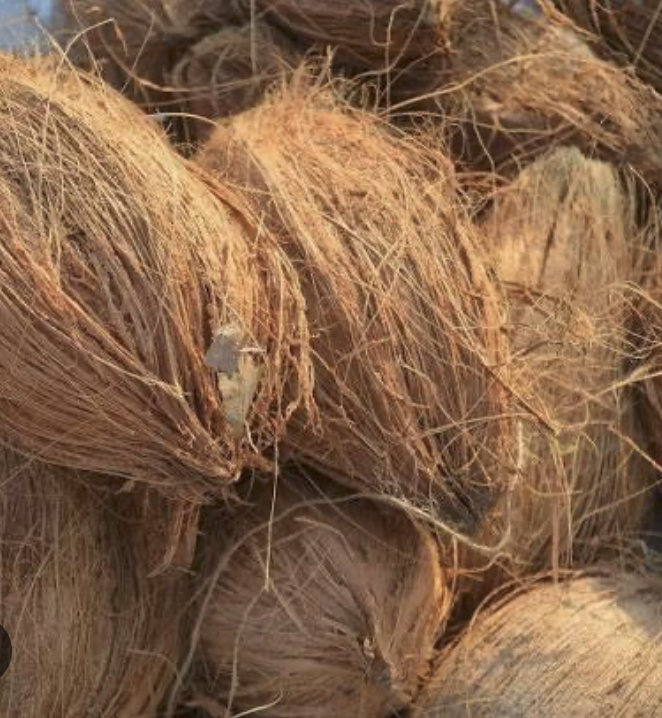
Bagasse (Bamboo)

竹蔗纤维
Origin
Fibrous residue recovered from bamboo pulping and sugar extraction.
Properties
High tensile strength, fast renewable yield, naturally antimicrobial.
Applications
Moulded pulp packaging, paper, and rigid food-safe containers.

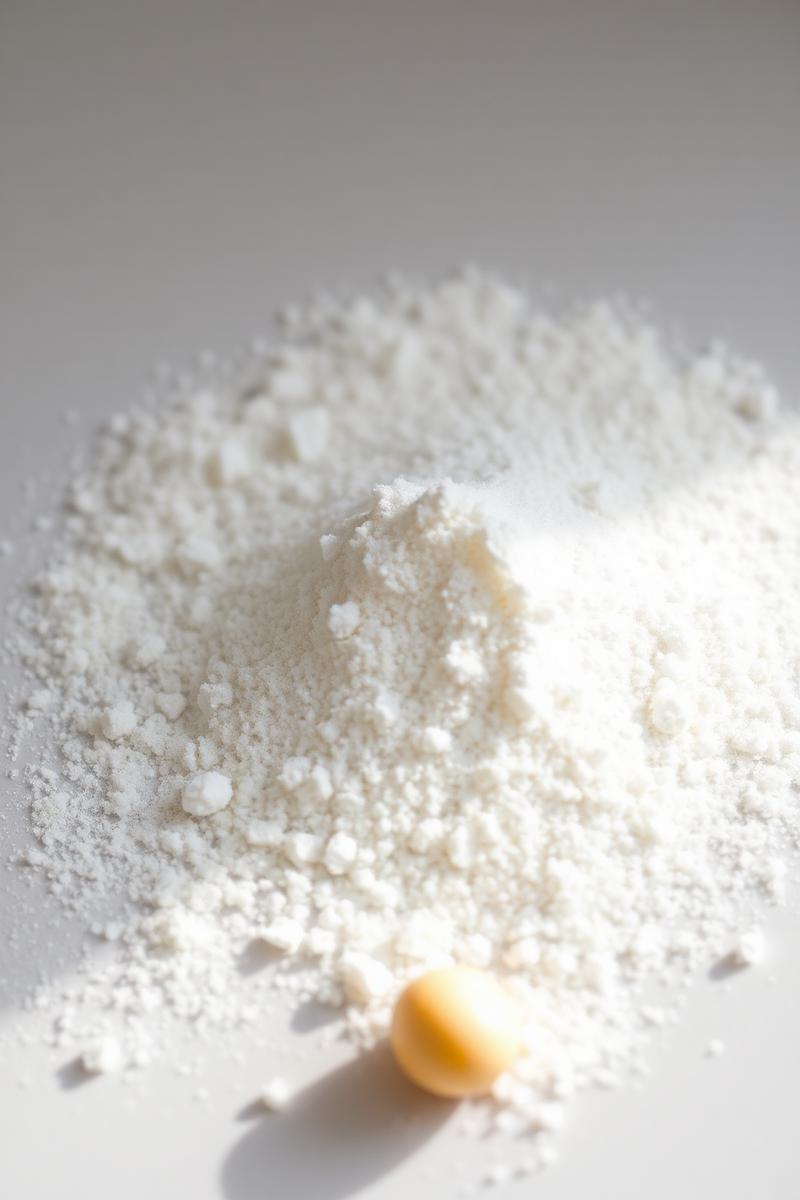
Corn Starch

玉米淀粉
Origin
Polylactic acid feedstock derived from regeneratively grown corn.
Properties
Compostable biopolymer with strong clarity and formability.
Applications
PLA films, compostable cutlery, and protective loose-fill.

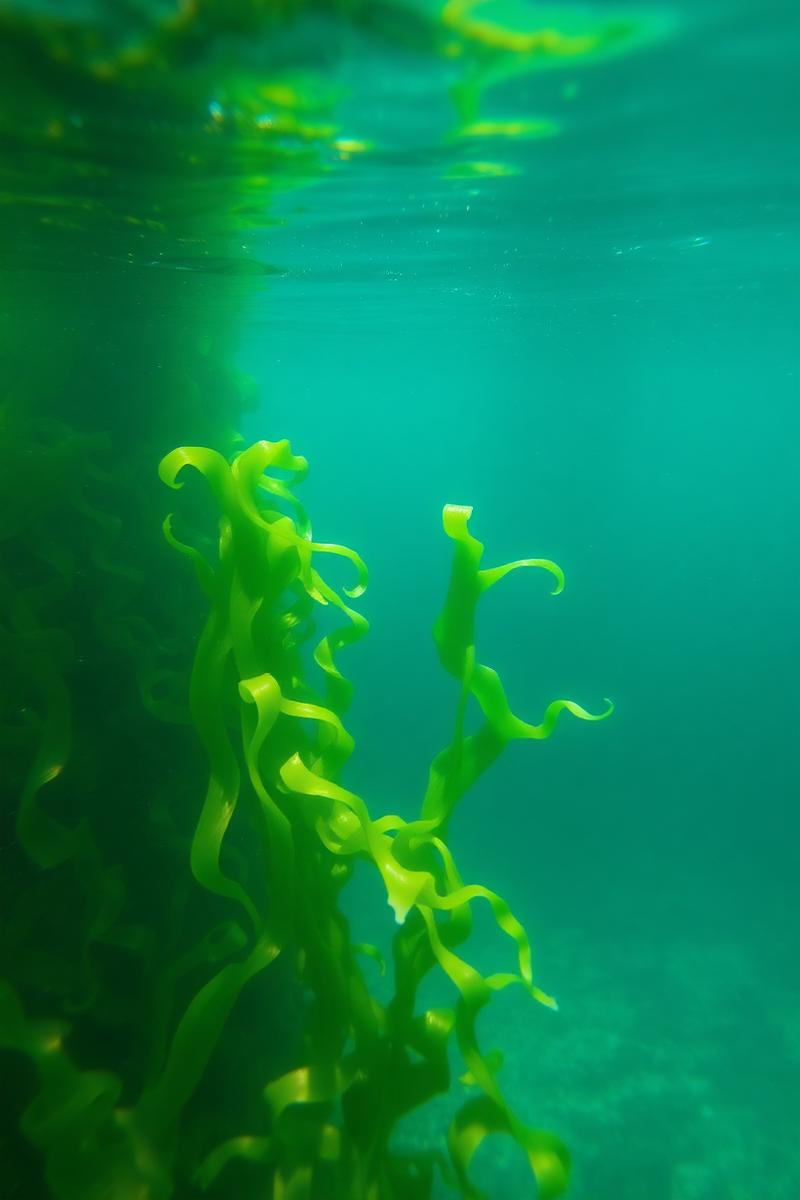
Seaweed

海藻
Origin
Marine-sourced biomass cultivated without fresh water or fertiliser.
Properties
Alginate-based biopolymer; biodegrades safely in natural waterways.
Applications
Edible films, dissolvable pouches, and water-soluble coatings.
Sustainable Lifecycle

We build materials the way nature does: nothing leaves the loop.

01

Raw Material

Bio waste collection and re-use, biodegradable inputs, and non-toxic solvents. Plant-extracted and bio-based colour pigments only.

02

Production

Optimised clean production that reduces energy and resource consumption, decreases waste generation, and promotes sustainable industrial standards.

03

Design

Designed for circularity and versatility. Form follows the afterlife of the material, not just its first use.

04

End of Lifecycle

Recycled, remanufactured, or redesigned into an infinite life loop; otherwise safely returned to natural nutrient cycles.

Framework

How We Operate

01

Supplier Verification

Every supplier in our network undergoes a rigorous multi-stage audit covering environmental compliance, waste management practices, water usage, energy sourcing, and chemical handling protocols. We require third-party certifications and conduct annual re-verification.

02

Material Traceability

We maintain full chain-of-custody documentation for every material we source. From raw input origin through processing, conversion, and final delivery, every step is logged, verifiable, and available to our clients upon request.

03

Carbon Accountability

We calculate and report the carbon footprint of every sourcing project, comparing sustainable alternatives against conventional material baselines. Our goal is to make the environmental impact of procurement decisions quantifiable and transparent.

04

Waste Reduction

We prioritize materials that are recyclable, compostable, or biodegradable at end-of-life. Where virgin materials are necessary, we source from closed-loop manufacturing processes that minimize production waste.

05

Continuous Improvement

Material science evolves rapidly. We actively monitor emerging bio-polymers, recycled composites, and circular economy innovations, integrating proven new materials into our portfolio as they achieve production readiness.

UN Sustainable Development Goals

Aligned with global goals.

Our material strategy is mapped to the United Nations Sustainable Development Goals, ensuring each sourcing decision contributes to a measurable global agenda.

09

Industry, Innovation and Infrastructure

We advance material science by integrating emerging bio-polymers, recycled composites, and circular economy innovations into commercial supply chains.

12

Responsible Consumption and Production

Responsibly sourced raw ingredients, minimal-waste supply chains, and a regenerative closed-loop ecosystem make our materials truly responsible.

13

Climate Action

Carbon emissions from our materials are significantly lower than synthetic or conventional alternatives, mitigating the impacts of climate change.

14

Life Below Water

Seaweed-based inputs require no fresh water or fertiliser, and our biopolymers biodegrade safely without harming marine ecosystems.

15

Life on Land

Bamboo and other fast-renewing feedstocks restore soil health and protect biodiversity, reducing pressure on old-growth forests.

Certifications

Independently verified.

FSC C179244
森林管理委员会

FSC Mix

Wood and fibre inputs sourced from responsibly managed forests, certified by the Forest Stewardship Council.

SOY INK
使用大豆油墨印刷

Printed with Soy Ink

Printing uses soy-based inks, reducing volatile organic compounds and enabling cleaner recycling.

RECYCLABLE
可回收包装

Recyclable Packaging

Packaging designed for kerbside recyclability, ensuring materials re-enter the manufacturing loop.

TÜV AUSTRIA
生物基认证

OK biobased

Highest four-star OK biobased rating from TÜV Austria, validating biobased content and environmental compatibility.

Questions about our sustainability practices?

We welcome transparency inquiries from partners and stakeholders.